שְׁמוֹת – is known by the name “exodus”, the second book of Torah. In reality, it means simply “names”, exactly how the verse starts:
א וְאֵלֶּה, שְׁמוֹת בְּנֵי יִשְׂרָאֵל, הַבָּאִים, מִצְרָיְמָה: אֵת יַעֲקֹב, אִישׁ וּבֵיתוֹ בָּאוּ.
|
1 Now these are the names of the sons of Israel, who came into Egypt with Jacob; every man came with his household: |
This parshah, possibly, more than any other is filled with female characters. It first starts with two amazing women who dare to disobey the pharaoh.
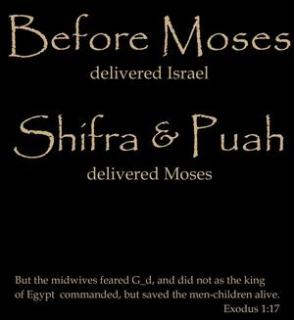
טו וַיֹּאמֶר מֶלֶךְ מִצְרַיִם, לַמְיַלְּדֹת הָעִבְרִיֹּת, אֲשֶׁר שֵׁם הָאַחַת שִׁפְרָה, וְשֵׁם הַשֵּׁנִית פּוּעָה.
|
15 And the king of Egypt spoke to the Hebrew midwives, of whom the name of the one was Shiphrah, and the name of the other Puah; |
טז וַיֹּאמֶר, בְּיַלֶּדְכֶן אֶת-הָעִבְרִיּוֹת, וּרְאִיתֶן, עַל-הָאָבְנָיִם: אִם-בֵּן הוּא וַהֲמִתֶּן אֹתוֹ, וְאִם-בַּת הִוא וָחָיָה.
|
16 and he said: ‘When ye do the office of a midwife to the Hebrew women, ye shall look upon the birthstool: if it be a son, then ye shall kill him; but if it be a daughter, then she shall live.’ |
יז וַתִּירֶאןָ הַמְיַלְּדֹת, אֶת-הָאֱלֹהִים, וְלֹא עָשׂוּ, כַּאֲשֶׁר דִּבֶּר אֲלֵיהֶן מֶלֶךְ מִצְרָיִם; וַתְּחַיֶּיןָ, אֶת-הַיְלָדִים.
|
17 But the midwives feared God, and did not as the king of Egypt commanded them, but saved the men-children alive. |
יח וַיִּקְרָא מֶלֶךְ-מִצְרַיִם, לַמְיַלְּדֹת, וַיֹּאמֶר לָהֶן, מַדּוּעַ עֲשִׂיתֶן הַדָּבָר הַזֶּה; וַתְּחַיֶּיןָ, אֶת-הַיְלָדִים.
|
18 And the king of Egypt called for the midwives, and said unto them: ‘Why have ye done this thing, and have saved the men-children alive?’ |
יט וַתֹּאמַרְןָ הַמְיַלְּדֹת אֶל-פַּרְעֹה, כִּי לֹא כַנָּשִׁים הַמִּצְרִיֹּת הָעִבְרִיֹּת: כִּי-חָיוֹת הֵנָּה, בְּטֶרֶם תָּבוֹא אֲלֵהֶן הַמְיַלֶּדֶת וְיָלָדוּ.
|
19 And the midwives said unto Pharaoh: ‘Because the Hebrew women are not as the Egyptian women; for they are lively, and are delivered ere the midwife come unto them.’ |
כ וַיֵּיטֶב אֱלֹהִים, לַמְיַלְּדֹת; וַיִּרֶב הָעָם וַיַּעַצְמוּ, מְאֹד.
|
20 And God dealt well with the midwives; and the people multiplied, and waxed very mighty. |
כא וַיְהִי, כִּי-יָרְאוּ הַמְיַלְּדֹת אֶת-הָאֱלֹהִים; וַיַּעַשׂ לָהֶם, בָּתִּים.
|
21 And it came to pass, because the midwives feared God, that He made them houses. |
The pharaoh is a god of this land
But there’s a real Gd, much higher
How can I take a life that He gave?
Please, Gd, save me from murder
Then, we see a girl, who the rabbis say is directly responsible for the birth of Moses, her brother – Miriam. She is not named in this episode, but the Talmud (BT Sotah 12b, 13a) says that not only she convinced her parents to stay together, but she prophesied that a child born would become “the savior of Israel”.
| ד וַתֵּתַצַּב אֲחֹתוֹ, מֵרָחֹק, לְדֵעָה, מַה-יֵּעָשֶׂה לוֹ. |
4 And his sister stood afar off, to know what would be done to him. |
| ה וַתֵּרֶד בַּת-פַּרְעֹה לִרְחֹץ עַל-הַיְאֹר, וְנַעֲרֹתֶיהָ הֹלְכֹת עַל-יַד הַיְאֹר; וַתֵּרֶא אֶת-הַתֵּבָה בְּתוֹךְ הַסּוּף, וַתִּשְׁלַח אֶת-אֲמָתָהּ וַתִּקָּחֶהָ. |
5 And the daughter of Pharaoh came down to bathe in the river; and her maidens walked along by the river-side; and she saw the ark among the flags, and sent her handmaid to fetch it. |
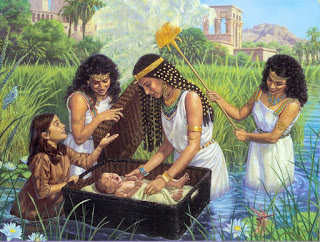 ו וַתִּפְתַּח וַתִּרְאֵהוּ אֶת-הַיֶּלֶד, וְהִנֵּה-נַעַר בֹּכֶה; וַתַּחְמֹל עָלָיו–וַתֹּאמֶר, מִיַּלְדֵי הָעִבְרִים זֶה. ו וַתִּפְתַּח וַתִּרְאֵהוּ אֶת-הַיֶּלֶד, וְהִנֵּה-נַעַר בֹּכֶה; וַתַּחְמֹל עָלָיו–וַתֹּאמֶר, מִיַּלְדֵי הָעִבְרִים זֶה. |
6 And she opened it, and saw it, even the child; and behold a boy that wept. And she had compassion on him, and said: ‘This is one of the Hebrews’ children.’ |
| ז וַתֹּאמֶר אֲחֹתוֹ, אֶל-בַּת-פַּרְעֹה, הַאֵלֵךְ וְקָרָאתִי לָךְ אִשָּׁה מֵינֶקֶת, מִן הָעִבְרִיֹּת; וְתֵינִק לָךְ, אֶת-הַיָּלֶד. |
7 Then said his sister to Pharaoh’s daughter: ‘Shall I go and call thee a nurse of the Hebrew women, that she may nurse the child for thee?’ |
| ח וַתֹּאמֶר-לָהּ בַּת-פַּרְעֹה, לֵכִי; וַתֵּלֶךְ, הָעַלְמָה, וַתִּקְרָא, אֶת-אֵם הַיָּלֶד. |
8 And Pharaoh’s daughter said to her: ‘Go.’ And the maiden went and called the child’s mother. |
There is so much to say about the women in this parshah – Yocheved, Miriam, Shifra, Puah, Batya (Pharaoh’s daughter). I am hoping to make a presentation about Miriam this year at Limmud FSU NY.
Wise women were in the long runs always the ones to save their nations, and sometimes, the humanity itself from disasters. Not only Jewish women in whose merit the Jews were taken out of Egypt (BT, Sotah 11b) but women of other nations. Consider the women of ancient Greece trying to stop the war by withholding from their husbands.
Today, when many women in this country are attending marches and protests, my question to them is – would it be not wiser to see the actions first and judge by them, not by words.
A great point has been made by my colleague, Dr. David Ackerman today:
“The two foundation texts in Jewish thought encouraging involvement and activism are God’s admonition to Abraham to , “…be a blessing.” (Genesis 12:2) and even more pointedly, “Seek the welfare of the country where I have sent you into exile; pray to the L-rd for it, for your welfare depends on its welfare.” (Jeremiah 29:7)”
May we live through this week in peace, and may we see real peace in our times, whether brought in by women or men.
Shabbat Shalom!


Leave a Reply